From an Aging Society to the Longevity Economy: How to Choose Housing for a Longer Life
As medical advancements have allowed people to live longer, combined with a continuous decline in birth rates, Thailand has now fully entered a complete aged society, with over 20% of the population aged 60 and above. According to data from the 2024 Survey of the Elderly Population in Thailand by the National Statistical Office, the elderly population has increased to 20.2% of the total population, or over 14 million people, and it is projected that Thailand will reach a super aged society, with over 28% elderly, by 2031.
This demographic shift has led to an increased role of the elderly in driving the economy. Data from the 2023 Study on the Silver Economy of Thailand by the Thailand Development Research Institute (TDRI) shows that in 2023, consumption spending by the elderly exceeded 2.18 trillion baht and is expected to grow to 3.5 trillion baht by 2036, averaging 4.83% growth per year. This reflects the strong purchasing power of the elderly demographic that should not be overlooked.
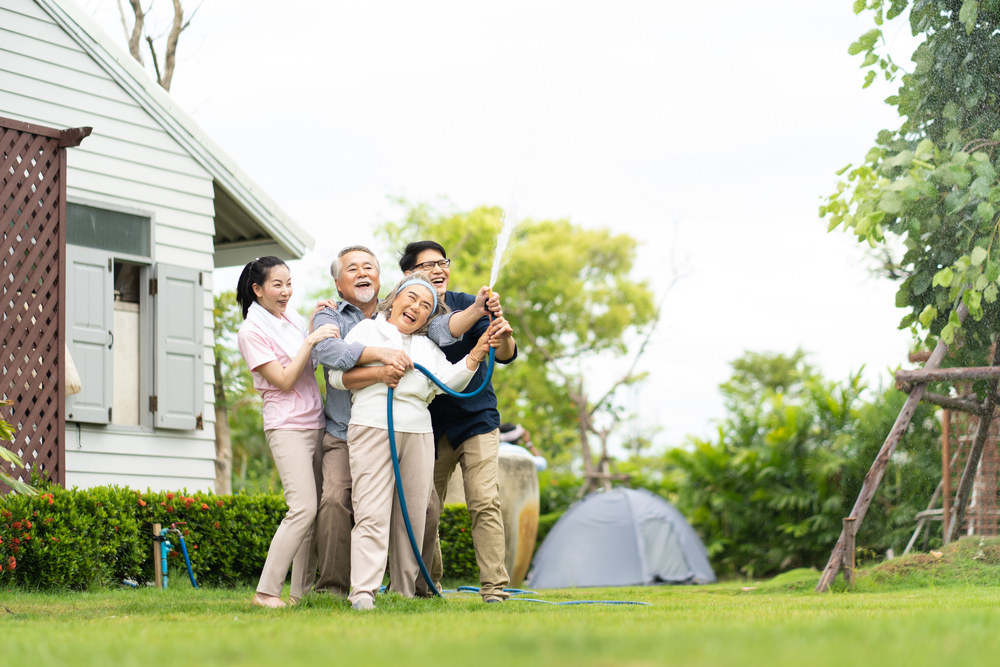
This has led to the emergence of the "Longevity Economy," where the economy is driven by the purchasing power of an aging population that is also in good health. This consumer group prioritizes quality of life in all aspects, not just longevity. Thus, there is an opportunity for businesses related to lifestyle to market to this group more effectively, with the most crucial aspect being housing that meets the needs of long-term living in a quality and safe environment.
Where to Go After Retirement? Planning for the Future is No Longer a Distant Concern
According to a survey on real estate buying and renting behaviors and future planning by DDproperty, Thailand's number one real estate platform, nearly 9 out of 10 (88%) respondents have started thinking about retirement planning, with 38% admitting they think about it all the time. This reflects that modern consumers no longer view retirement as a distant concern and are focusing on preparing for retirement without waiting for the time to come.
The primary goals for most consumers after retirement include "having enough savings for health care" as the top priority, followed by "financial independence," "spending more time with family or friends," "living debt-free," and "planning to travel regularly." It is evident that most of these goals are significantly related to financial planning, so consumers need to start planning early to achieve their desired life goals in the future.
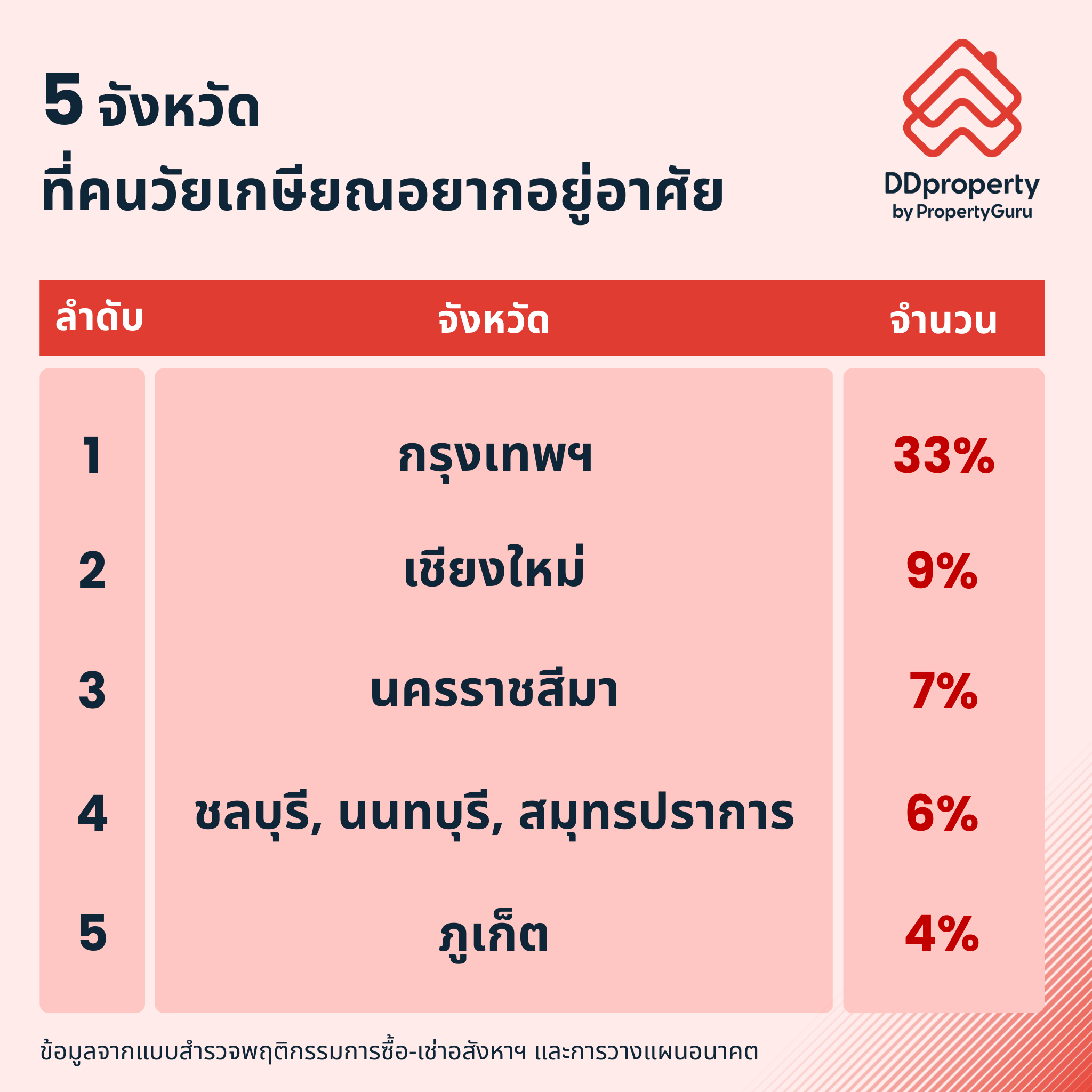
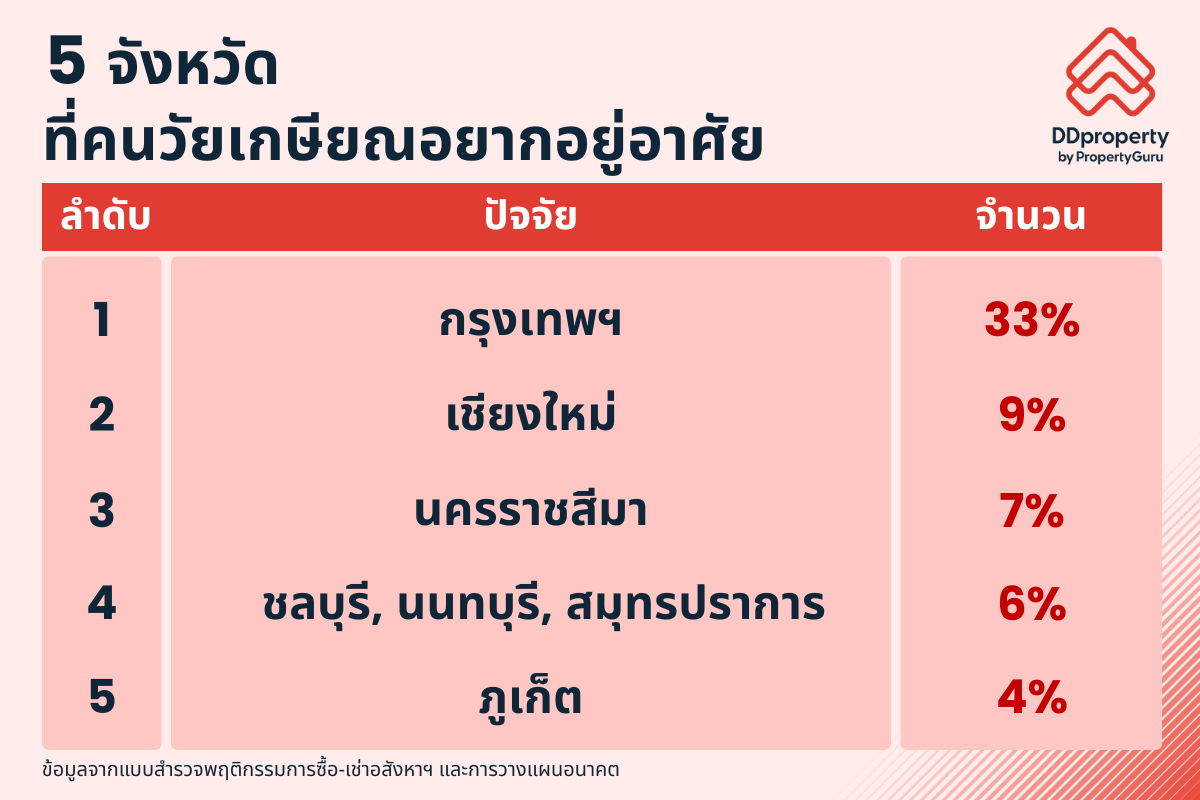
For cities where consumers want to live after retirement, Bangkok (33%) tops the list due to its advantages as the capital city with comprehensive infrastructure, including standard healthcare facilities and modern medical technology, ensuring long-term health care. Following Bangkok are Chiang Mai (9%), Nakhon Ratchasima (7%), Chonburi, Nonthaburi, and Samut Prakan (each at 6%), and Phuket (4%). Meanwhile, 11% indicated they have no specific location in mind, as long as they are in Thailand.
Real estate developers are also paying attention to the Longevity trend. Data from the Real Estate Information Center (REIC) of the Government Housing Bank shows that as of 2025, there are a total of 1,040 housing projects for the elderly nationwide, an increase of 4.4%. This includes 944 nursing home projects (up 4.4%) and 96 residence projects (up 4.3%), reflecting that the real estate sector is continuously adapting to meet the needs of consumers looking for housing that addresses health and quality of life in the long term after retirement.
When "Longevity" is the Answer: How to Choose Housing that Meets the Longevity Economy
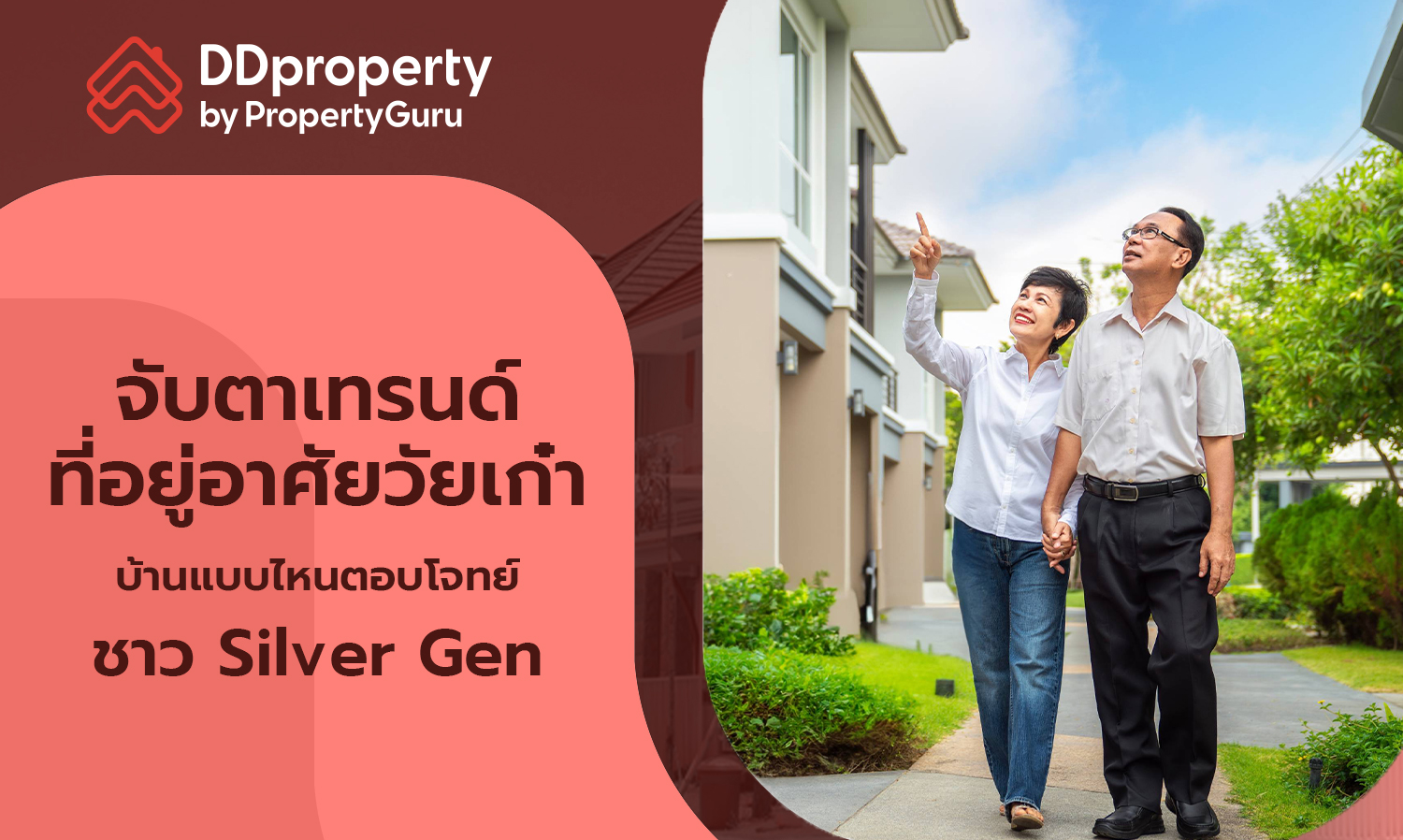
As living a long and quality life is the heart of the Longevity Economy, preparing for housing is not just about finding a place to live but creating a living space that promotes well-being in the long term. DDproperty reveals design and adjustment guidelines for homes/condos to meet the Longevity trend, focusing on creating spaces that promote physical and mental health, accommodating sustainable living for all ages.
- Universal Design for Comfort at Every Age - The concept of "Universal Design" involves designing environments, places, and objects so that everyone can use them equally, regardless of age, gender, or physical characteristics. This addresses the current trend of seeking long-term safety in living spaces. Universal Design emphasizes designs that support smooth and safe living for consumers of all ages, especially the elderly who require special care. Safety systems should be enhanced in high-risk areas to prevent accidents, including non-slip flooring, handrails in critical spots, adequate lighting, and emergency alert devices in bedrooms or bathrooms. Adding safety features in every square inch not only reduces accidents but also restores confidence for the elderly to live independently and happily.
- Choosing Ergonomic Furniture - Ergonomics is the science of designing and adjusting objects and environments to align with human anatomy and usage, enhancing work efficiency and reducing injury risks. This concept is not limited to addressing office syndrome from screen work but can also be applied to selecting furniture for homes/condos. Consumers should choose furniture designed with health in mind, accommodating the user's anatomy appropriately, such as selecting health-supportive beds and pillows, sofas that are neither too soft nor too hard to avoid discomfort during prolonged sitting, and dining tables at the right height to prevent excessive bending while eating. These principles help reduce the risk of aches and injuries from daily use, marking a valuable start to long-term health care.
- Peace of Mind Being Close to Healthcare Facilities - Choosing housing projects located in convenient areas with access to public transportation will facilitate lifestyle choices and reduce the risk of driving if health conditions do not permit. Another important factor is selecting projects near hospitals or health service centers, allowing consumers to access medical services quickly in emergencies and receive regular health check-ups. Additionally, choosing housing projects for the elderly that come with health services in collaboration with hospitals/health service centers is an interesting option for better long-term health care.
- Nature Therapy to Promote Physical and Mental Health - Most elderly people primarily live indoors, so having a good environment plays a crucial role in enhancing both physical and mental health. Therefore, providing green spaces in homes/condos, whether through gardens or indoor plants, not only helps relieve stress but also has psychological benefits that make one feel refreshed. Additionally, the elderly can spend their free time gardening as a hobby or relaxation method for nature therapy. Choosing projects with communal gardens or those located near public parks is also an attractive option for exercising or relaxing in nature.
- Enhancing Quality of Life with Technology - Today, the trend of smart homes plays a significant role in enhancing living spaces. Consumers can incorporate various technologies to facilitate daily life, such as controlling lighting or turning appliances on/off via applications, maintaining health with air purifiers or air conditioners with air sterilization systems, and enhancing security with digital door locks, motion sensors, or surveillance cameras. Moreover, technology also helps reduce mobility limitations for the elderly, such as installing stairlifts to allow them to move between floors conveniently and safely, reducing the risk of accidents from using stairs.
- Creating Spaces for Family Bonding - Allocating space for health activities and family bonding is another essential aspect of living a long and quality life. Living rooms or guest areas should be designed to accommodate gatherings and activities among family members, whether it's dining, relaxing while watching series, or engaging in hobbies together, to foster warmth and reduce feelings of loneliness among the elderly. Additionally, spaces for exercise and physical therapy are equally important, with areas for yoga and appropriate exercise equipment for all ages, such as low-impact treadmills. Integrating these spaces will help ensure that all family activities proceed in a balanced and stable manner, both physically and mentally.
Ultimately, the important goal that everyone seeks may not just be longevity but living a long life with quality, having the freedom to do what they love, and resting peacefully in a home that meets all their needs. If homes are designed for the elderly to live safely, then certainly, family members of all ages can also live safely and happily. DDproperty (www.DDproperty.com) has compiled informative articles and the latest news in the real estate sector beneficial for consumers of all ages looking for housing, as well as being a source of listings for buying/selling/renting properties in potential locations nationwide, helping everyone prepare confidently before deciding on their dream home.